Perishable Skills – Trained vs. Competent
You might have been trained, but are you competent? Does the adage that ‘some training is better than no training’ stand up to scrutiny?
The first question an agency should ask itself is: what are we asking our personnel to do?
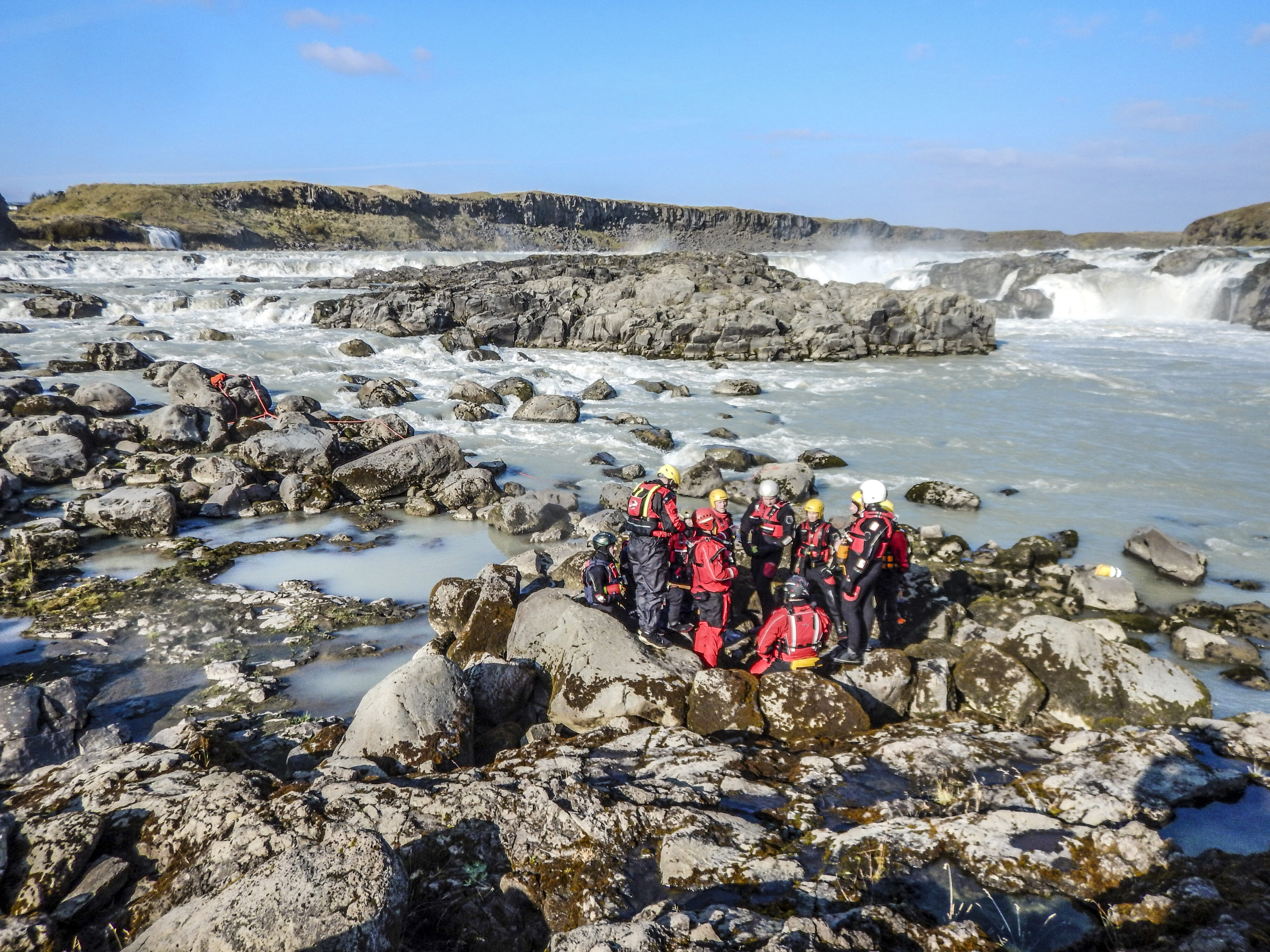
Within the rescue field, teams are commonly asked to perform complicated tasks in high consequence environments, with multiple external pressures influencing their decision making. Rope and water rescues require a great deal of technical understanding from the team members involved and they will be required to pick out the most appropriate technique from the myriad options available to them. If a team has only seen a technique once, on a training course, five years ago, will they be able to remember the nuances of the technique’s application? Having experienced a technique in one given training environment, will those rescuers be able to understand the benefits and limitations of the technique?
The Rescue 3 philosophy identifies four stages of a rescuer’s development, these being: training, practice, experience, and judgement. Training is a rescuer’s foundation – the introduction of ideas and techniques; it is only by going out into the world to practise and gain experience in the use of different techniques, in different environments, that a rescuer develops judgement.
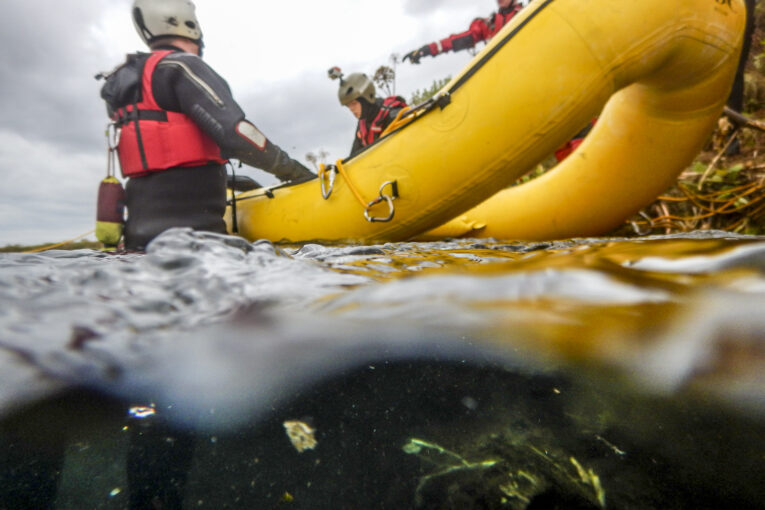
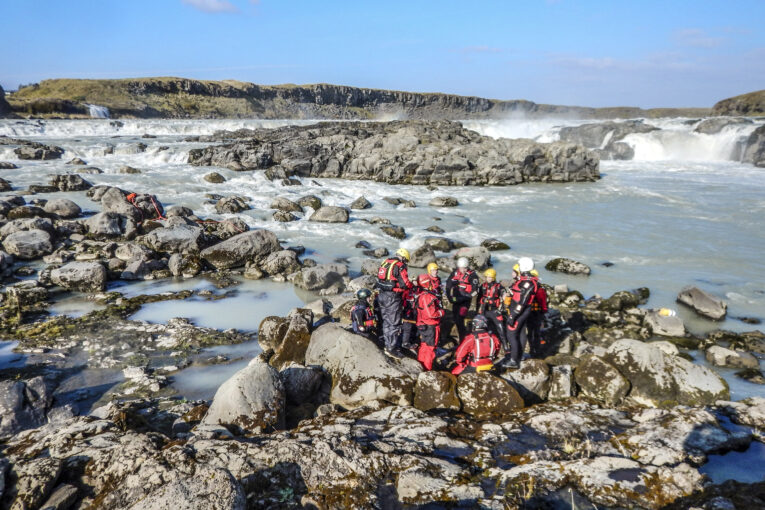
So, get some training, go out into the world?
There is another old saying that ‘practice makes perfect’. However this is not necessarily the case. What is true is that ‘practice makes permanent’. The repetition of a task will drill muscle memory and recognition; the problem occurs when a technique is performed inaccurately or if the technique is being misapplied. While regular in-house training is incredibly important for the development of a rescue team’s capability, it is also important to check that bad practice is not creeping in and being reinforced through repetition. The quality, or lack of, in-house training should also raise questions about a rescuer’s capability one week after they have completed a training course versus a rescuer who completed their training course three years ago.
Things do change…
The rescue world is changing constantly, both in terms of techniques and equipment. This means that our rescue training should be in a state of constant evolution. What may have been current best practice when students took their initial course can easily be supplanted by new techniques or models. The most obvious example is the use of designated main and designated belay (DMDB) for rope rescue operations. Transporting a rescue load with a designated main line seeing the load, while backing it up with a hand tight belay, was widely considered best practice and has been ubiquitous in the rope rescue world for a very long time. Over the past few years, there has been a paradigm shift towards Dual Capable Twin Tensioned Rope Systems (DCTTRS), where the load is shared between the two ropes. This means that teams who undertook training a couple of years before would be unaware of the substantive change in thinking, based on anecdotal evidence and more up-to-date research.
Check, consolidate, and evolve.
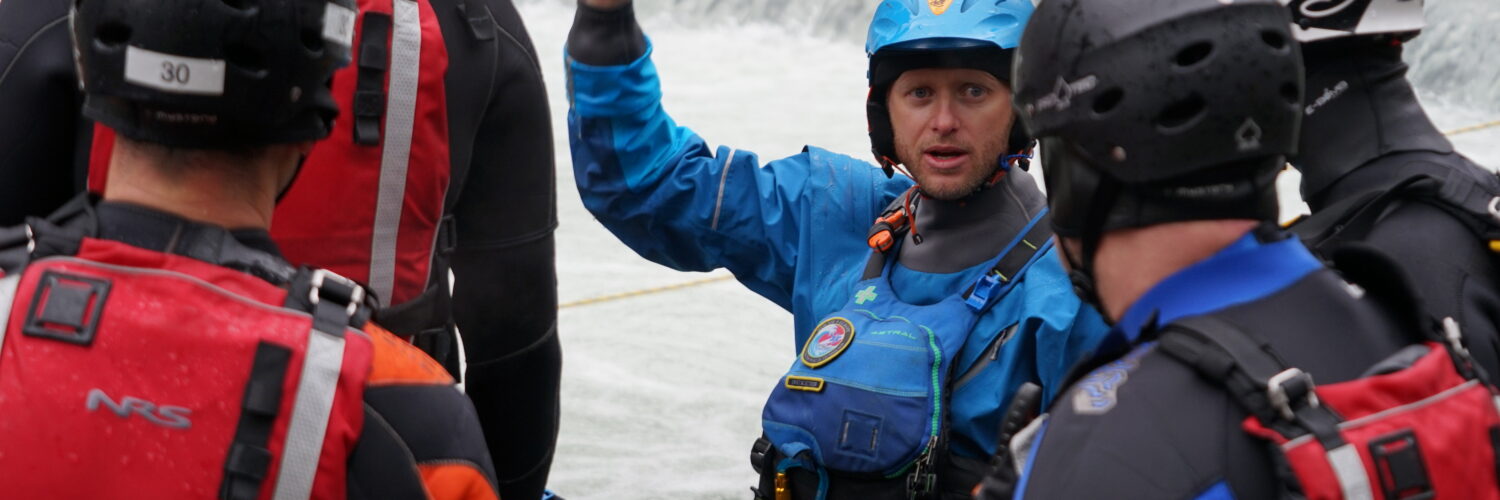
The need for ongoing professional input into technical rescue training is essential. The idea that a single training course produces competent rescuers in perpetuity does not stand up to scrutiny. The constant evolution of techniques, the likelihood of skill fade, and potential for technique creep – where a technique is warped and misapplied – is enormous. For these reasons, regular externally accredited updates for both students and instructors are vital. So when we ask the question: what are we asking our personnel to do? We should also be asking: does the frequency and quality of our training genuinely prepare our teams for their operational reality?
Strainer Drills
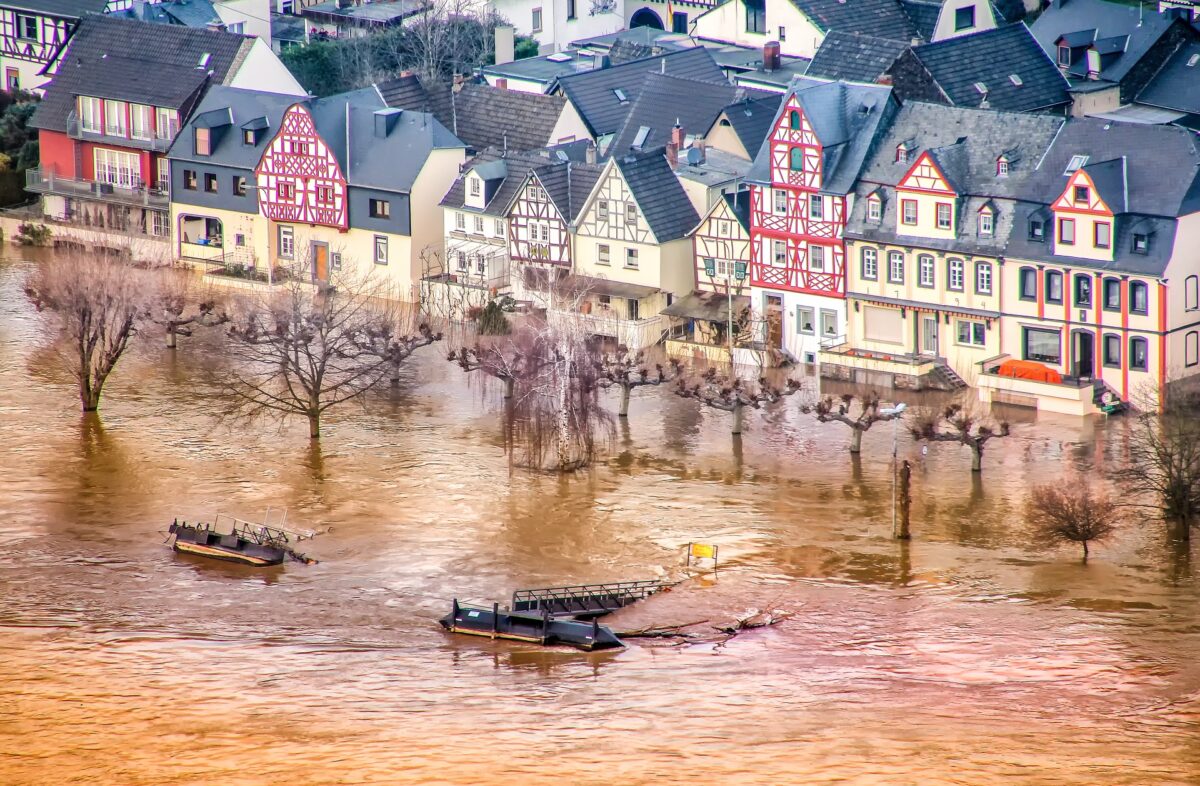
Strainers are some of the most common hazards that people working in a moving water environment are likely to encounter. In urban floods, a strainer can be formed from anything and everything: signage, debris, vehicles, fences, even buildings themselves. In a whitewater environment fallen trees and badly placed fences create serious hazards.
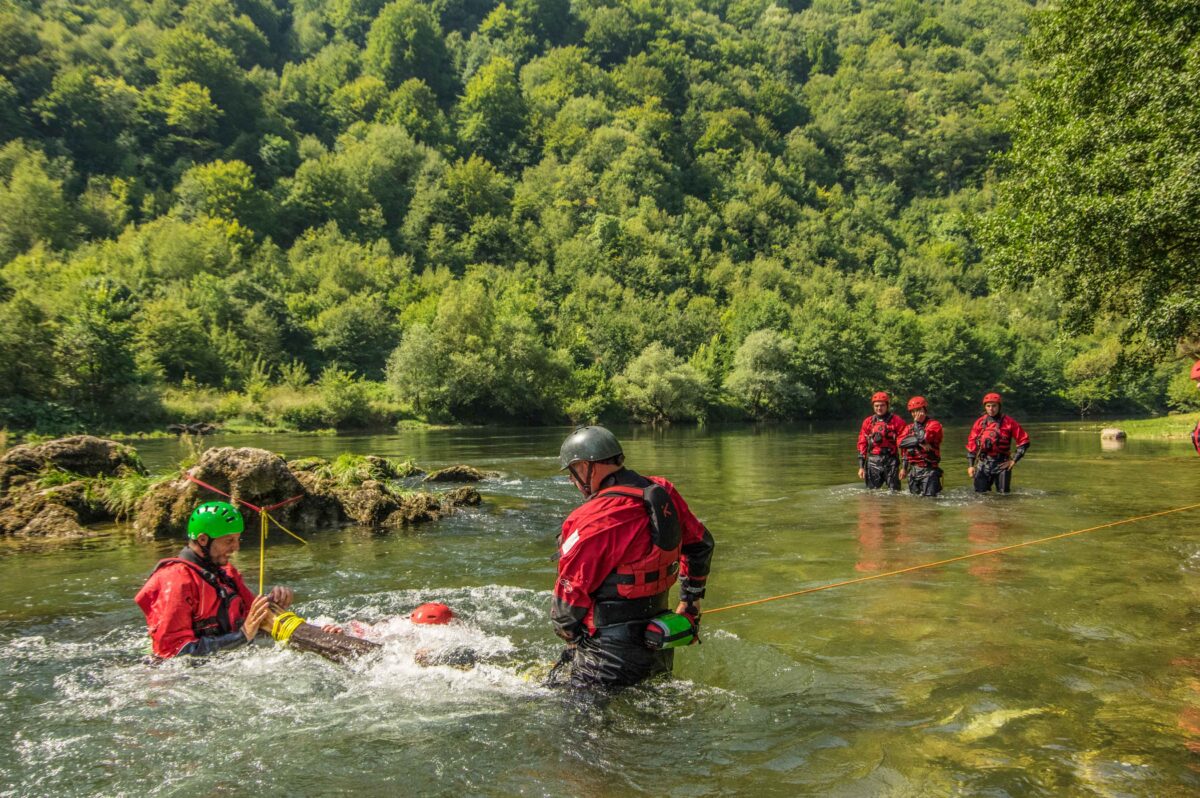
As part of practical in-water Rescue 3 courses (including SFR, SRT, WRT-PRO or SWIW), students are required to perform a strainer drill. This raises the question: why get students to practise something that should never happen?
Avoidance
Operationally, technicians and responders should be able to identify strainers and perform a risk assessment based on where the strainer is positioned in the flow: the severity and likelihood of being swept into the strainer is based on its position relative to the current vector. Once the rescuers have assessed the risk that the strainer presents, they will then need to identify any appropriate control measures. It may be that the team still chooses to work upstream of the strainer, but with enough time and space, eddies and downstream cover, that the risk can be mitigated. Possibly the risk of operating upstream of the strainer is too great and they choose to avoid it completely by working downstream of it, or even remove it. It may be that strainers are identified in a channel, but the space around the hazards seems adequate for the swimmers or boat handlers to avoid them. There are infinite variations on how and where a strainer might present itself, but the important message is that they should be identified, and they should be avoided.


The drill
If the take-away message about strainers is to identify and avoid them, then why perform a practical session where students swim onto and over the strainers?
There are two main reasons:
- Stuff doesn’t always go to plan… avoidance is one layer of safety; but often factors such as casualties, tasks, and changes to the environment can mean that a rescuer may need to deal reactively to a hazard in front of them. For a hazard as ubiquitous as a strainer, a rescuer should be given as many layers of safety as possible. An aggressive swim over, or up onto a strainer is a rescuer’s best chance of not getting swept underneath it.
- Experiential: there is a strong argument for running a strainer drill session in reasonably benign water – the same place or similar to where a wading session would be run. If a strainer drill is run in high energy, turbulent water, there is an increased likelihood of causing injury to students, but also the message is not particularly useful: it is terrifying; the student could tell you that without having to do the drill… Running the drill in slow moving water, that appears fairly benign, can give a much stronger and more surprising message. Encouraging students to drop onto the strainer defensively, allowing their feet to go underneath and then try to get themselves back over the top can provide a valuable lesson about the perceived and the real power of relatively benign water. If taught correctly, with the appropriate message, this session can add greatly to a student’s understanding and experience of a moving water environment: strainers within wadeable water can present a real hazard to rescuers.
It should be made clear that, if a rescuer finds themselves on the upstream side of a strainer, there have been multiple failings in their planning and decision making. A strainer drill should have two distinct elements: the experiential and the survival technique. It is the job of the instructor to clarify what the purpose of each part of the session is, and to clarify the message behind it. Students should be in no doubt that they do not want to go under a strainer due to the potential blockages and entrapments that may exist under the water. Students should prioritise the thorough inspection and risk assessment of a site, but also know that in a bad situation they should invest all of their energy into getting over or as high up a strainer as possible by swimming aggressively towards it, because if they allow any part of their body to go underneath, it is near impossible to pull themselves back out.
Summary
- Identify and avoid strainers.
- Ensure control measures are robust and realistic if working upstream of strainers.
- Run strainer drills in lower energy environments to give a stronger message. NB there should be enough movement in the water to ensure that students get an appreciation of the force and consequence of washing onto a strainer.
- Experiential: go part way under then try to get back over.
- Survival mode: go aggressive, get over or high up on the strainer.